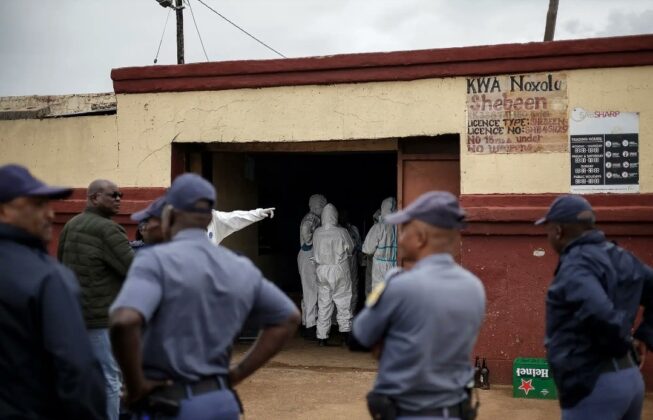
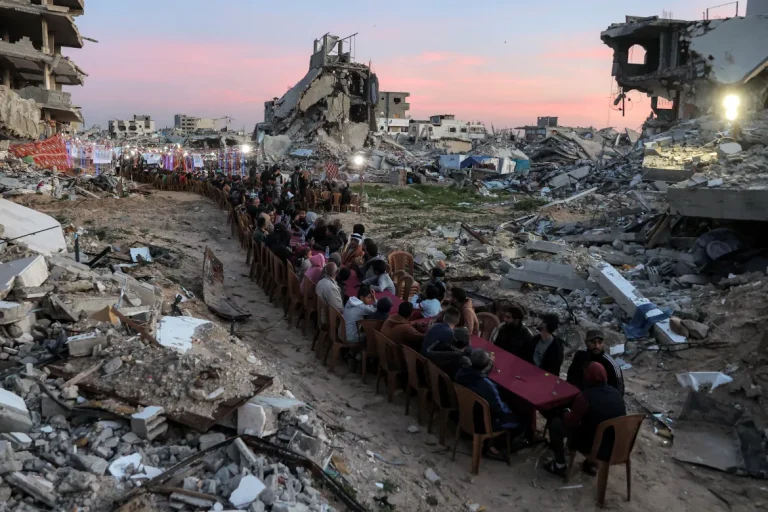
The Israel Strikes Sanaa offensive is not just a military event. Image: BOL News.
(The Post News)– The Israeli strikes on the Sanaa operation have once again pushed Yemen into the global spotlight, intensifying the already tense situation in the Middle East. On Wednesday, September 10, Israeli forces launched a series of precision airstrikes on the Yemeni capital Sanaa and the northern province of al-Jawf, leaving at least nine people dead and 118 others wounded, according to the Houthi health ministry.
Israeli Strikes on Sanaa Target Key Infrastructure
The Israeli Defense Forces (IDF) confirmed that the Israel Strikes Sanaa operation targeted key Houthi infrastructure. Among the locations hit were military camps, the headquarters of the Houthi “propaganda” department, and a critical fuel storage facility.
An Israeli military spokesperson stated that these strikes were “a direct response to Houthi aggression, including the launching of drones and surface-to-surface missiles toward Israeli territory.” The IDF emphasized that the operation was necessary to neutralize threats before they could escalate further.
Houthis Respond: Civilian Casualties Alleged
Houthi military officials have disputed Israel’s claims, alleging that the Israel on Strikes Sanaa operation deliberately hit civilian targets. A Houthi spokesperson claimed that two newspaper agencies were bombed, resulting in casualties among journalists and innocent bystanders.
According to reports, Sanaa residents said that the attack struck a command-and-control hideout located between two mountains, though the full extent of the damage remains unclear. Witnesses also reported that the Houthi defense ministry building was among the targeted sites.
This incident follows a deadly strike on August 30 that killed the prime minister of the Houthi-run government and several ministers—the first such attack to directly target senior officials.
Regional Implications of Israel Strikes Sanaa
The Israel Strikes on Sanaa campaign underscores the growing complexity of the Middle East conflict. The Houthis, who are backed by Iran, have carried out attacks on commercial vessels in the Red Sea, claiming they are acting in solidarity with Palestinians in Gaza City.
Most of the missiles they have fired toward Israel have been intercepted by Israel’s Iron Dome defense system, but these provocations have prompted repeated retaliatory strikes by the Israeli military. This latest escalation risks drawing the region into a wider conflict, potentially impacting international shipping lanes as well as global oil supplies.
International Reactions and Calls for Restraint
Meanwhile, international observers have expressed concern about the Israel Strikes Sanaa operation and the mounting civilian death toll. Human rights organizations have urged both parties to avoid targeting civilian infrastructure and to abide by international law. The United Nations has called for immediate de-escalation, warning that continued violence could trigger a broader humanitarian crisis in Yemen, which is already facing famine and widespread disease outbreaks.
Analysts predict that the Israel Strikes Sanaa campaign may not be the last. Israel has vowed to continue targeting Houthi positions as long as attacks on its territory and shipping routes persist. Meanwhile, the Houthis have promised retaliation, signaling that the conflict may enter a new and even more dangerous phase.
For Israel, the challenge lies in neutralizing threats without sparking a full-blown regional war. For the Houthis, every strike strengthens their narrative of resistance, potentially rallying more support from Iran and other actors in the region.
The Israel Strikes Sanaa offensive is not just a military event; it is a geopolitical flashpoint with implications that stretch far beyond Yemen and Israel. With casualties mounting and tensions rising, global powers must act swiftly to prevent a wider conflict that could destabilize the entire Middle East.
About the Author